
RED
By john logan
Directed by brian bell
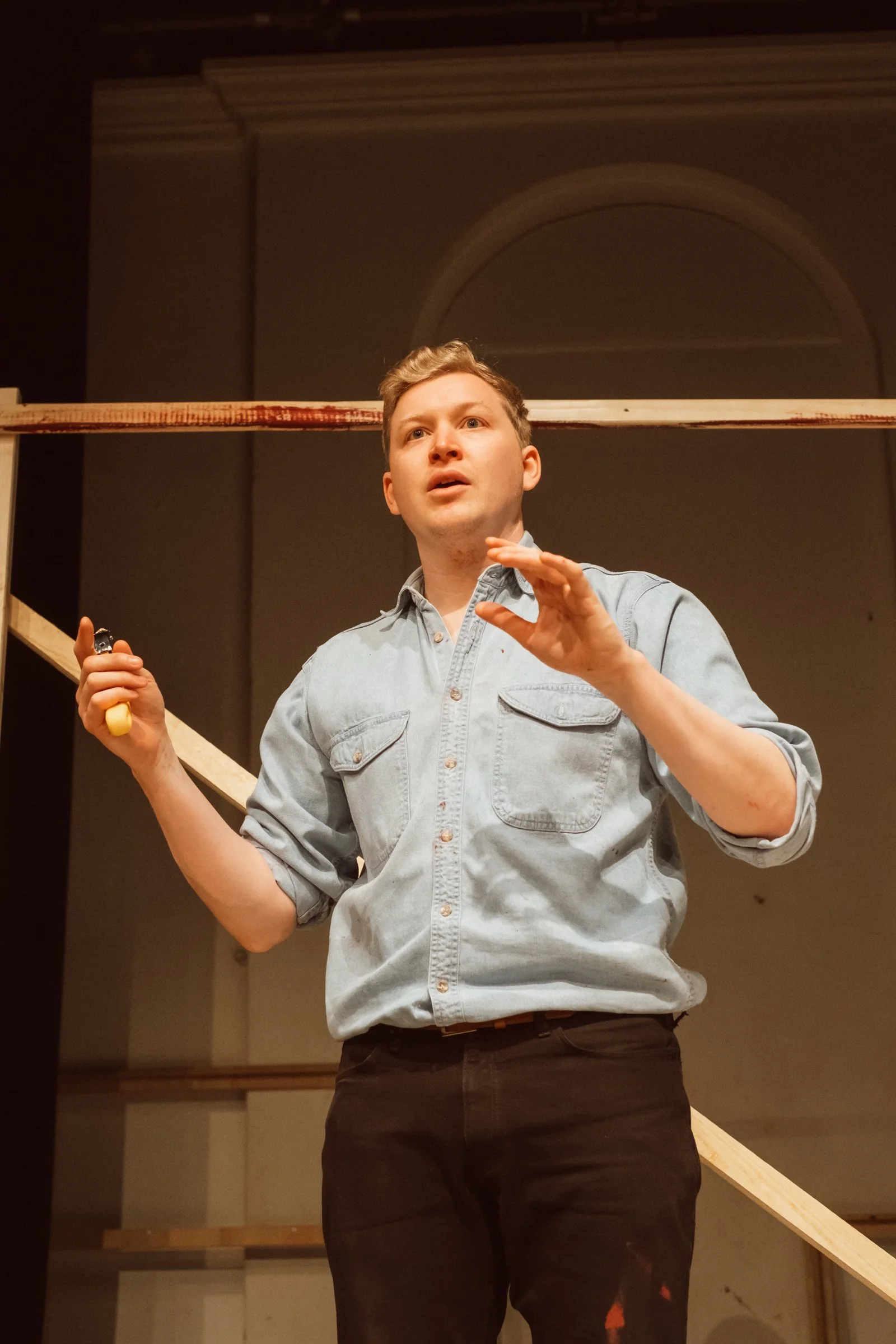
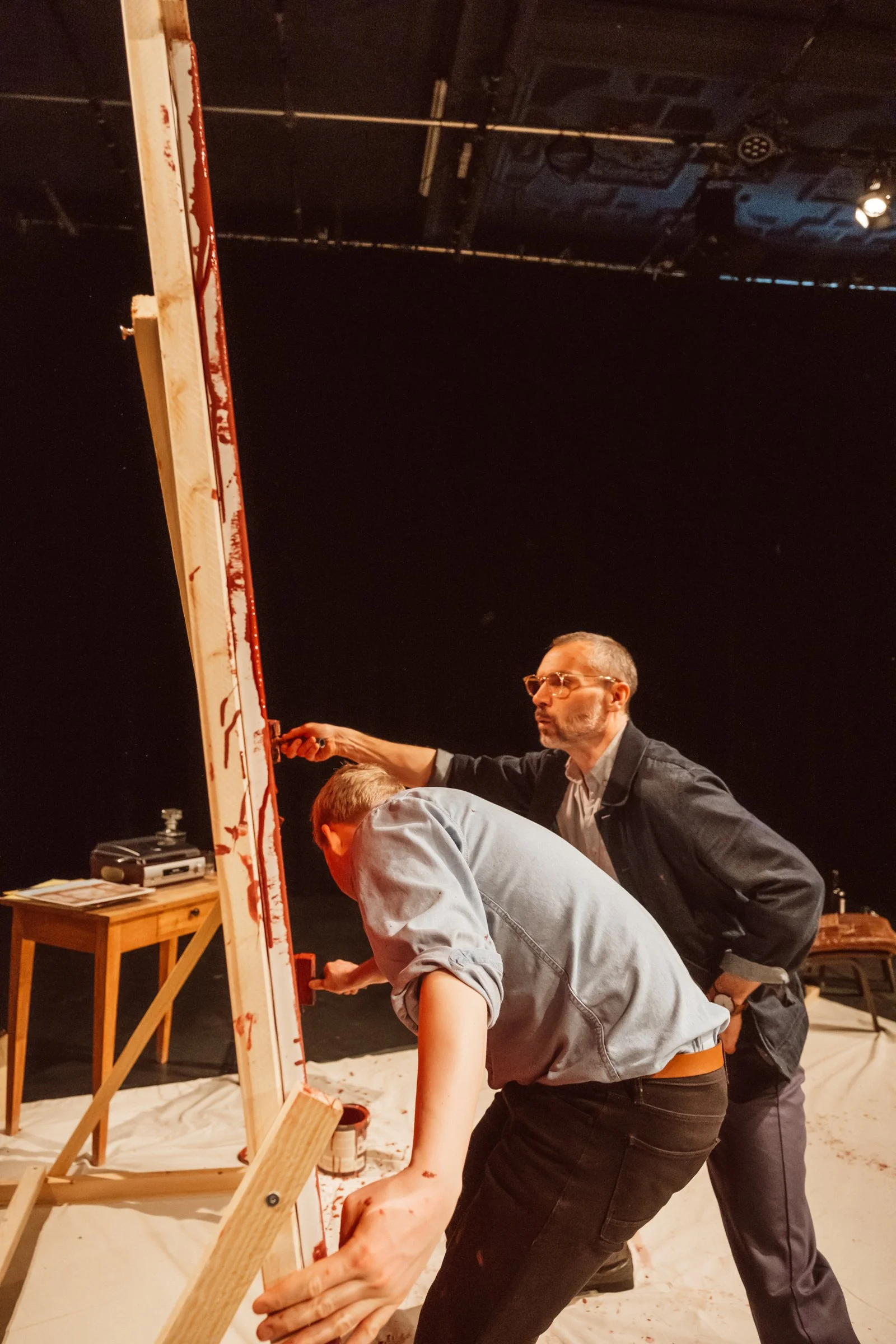
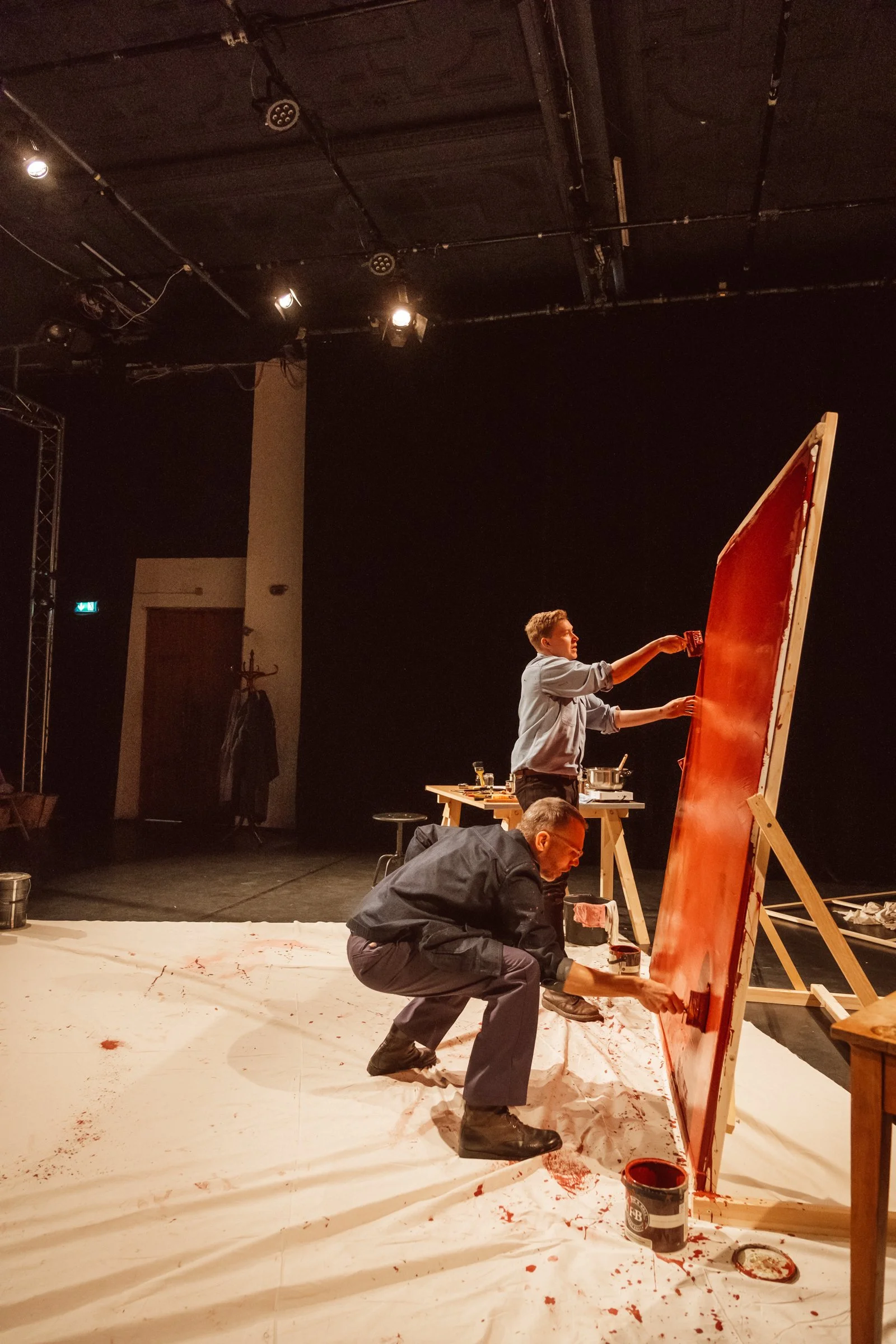
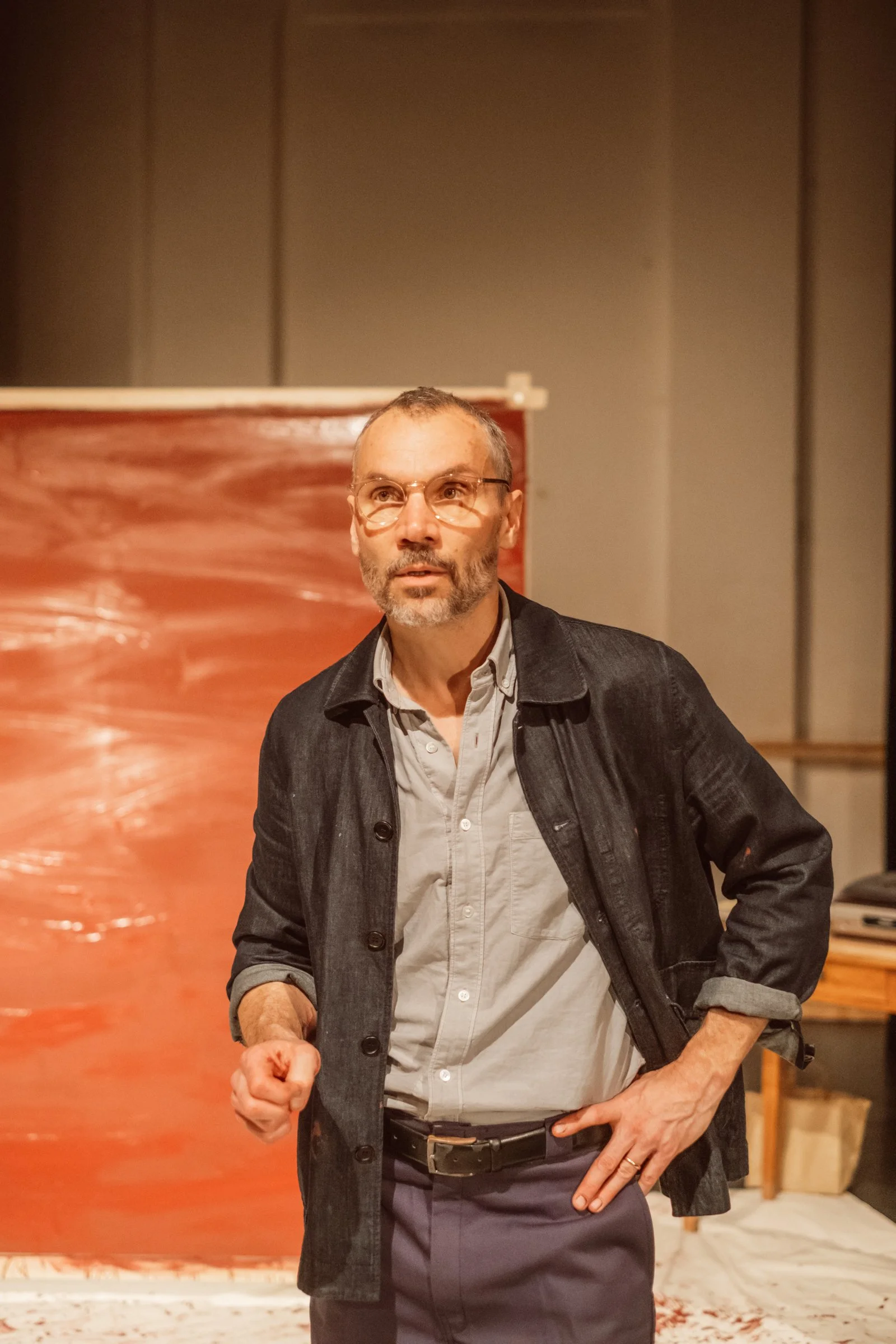
with: adam Ludwig & Josh Spriggs
march 19-22, 2026
Theaterforum Kreuzberg
Eisenbahnstraße 21
Berlin - kreuzberg
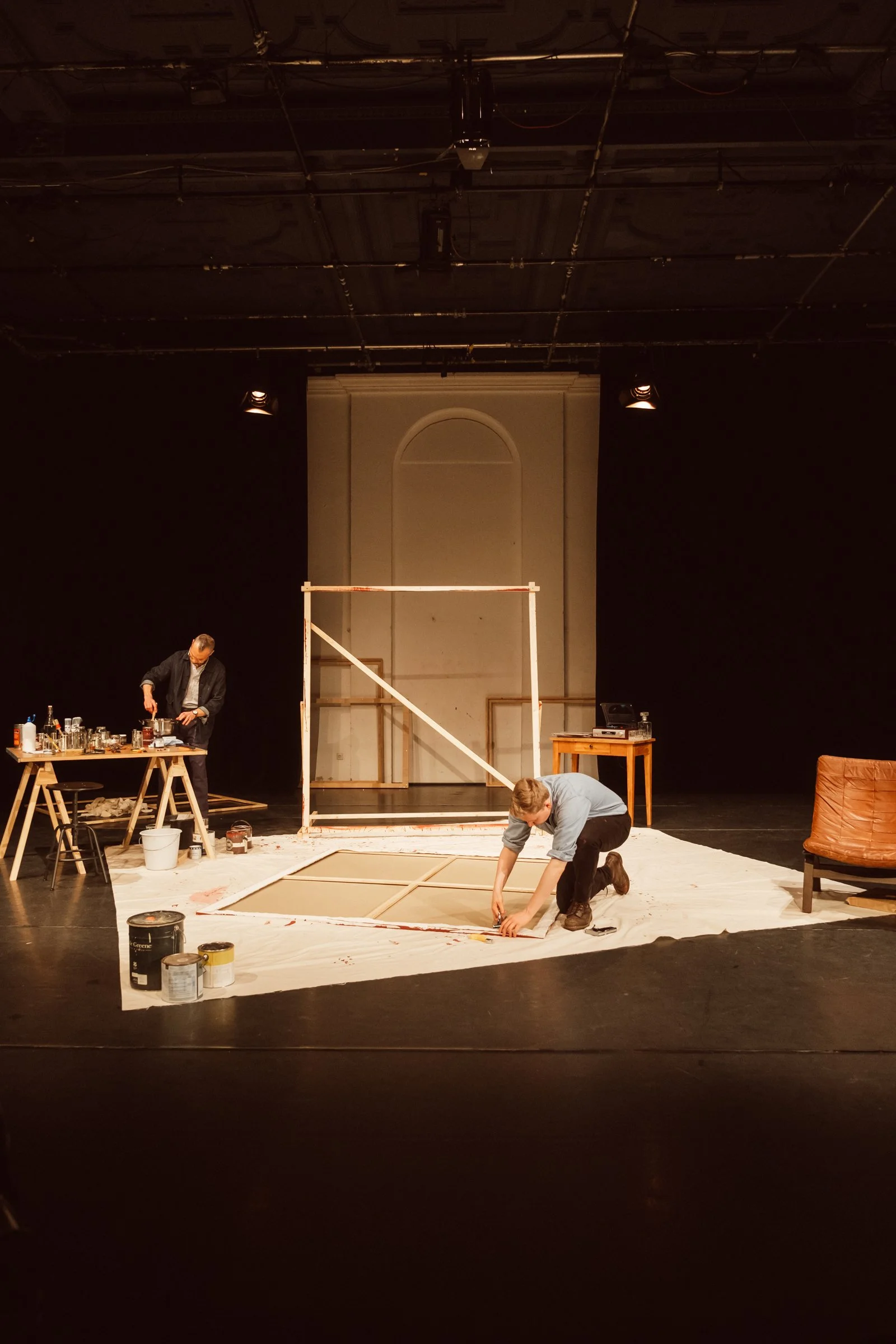
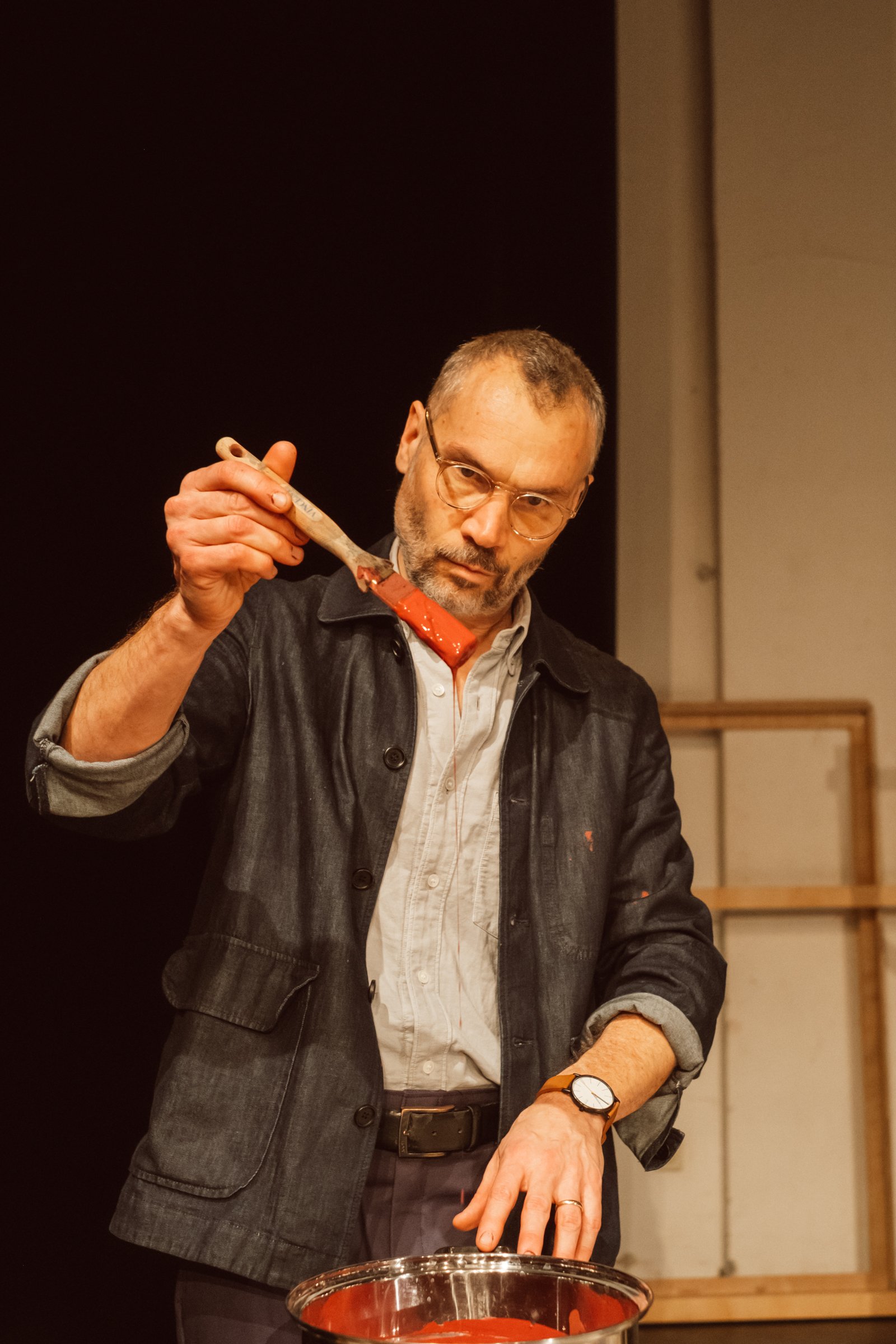
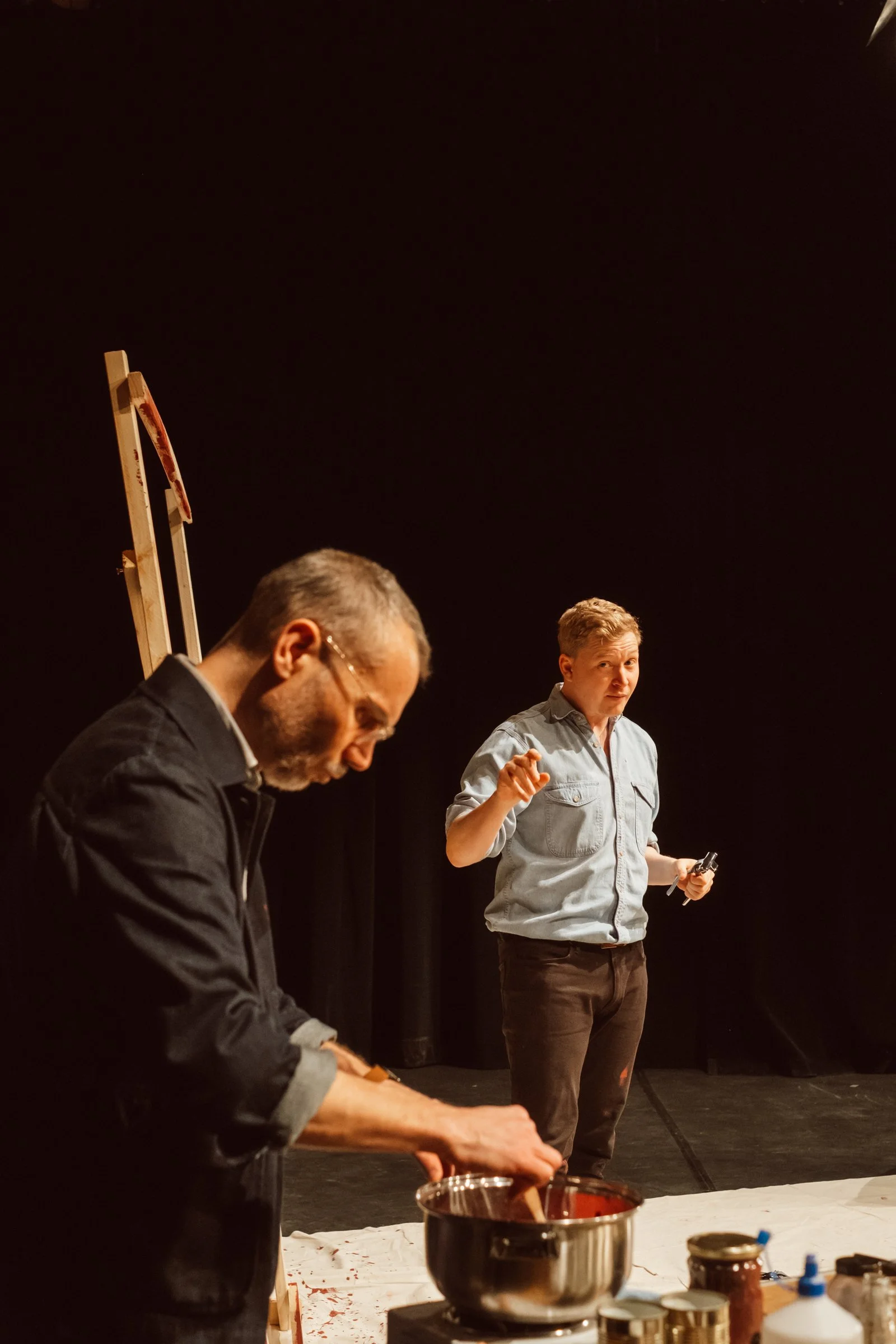
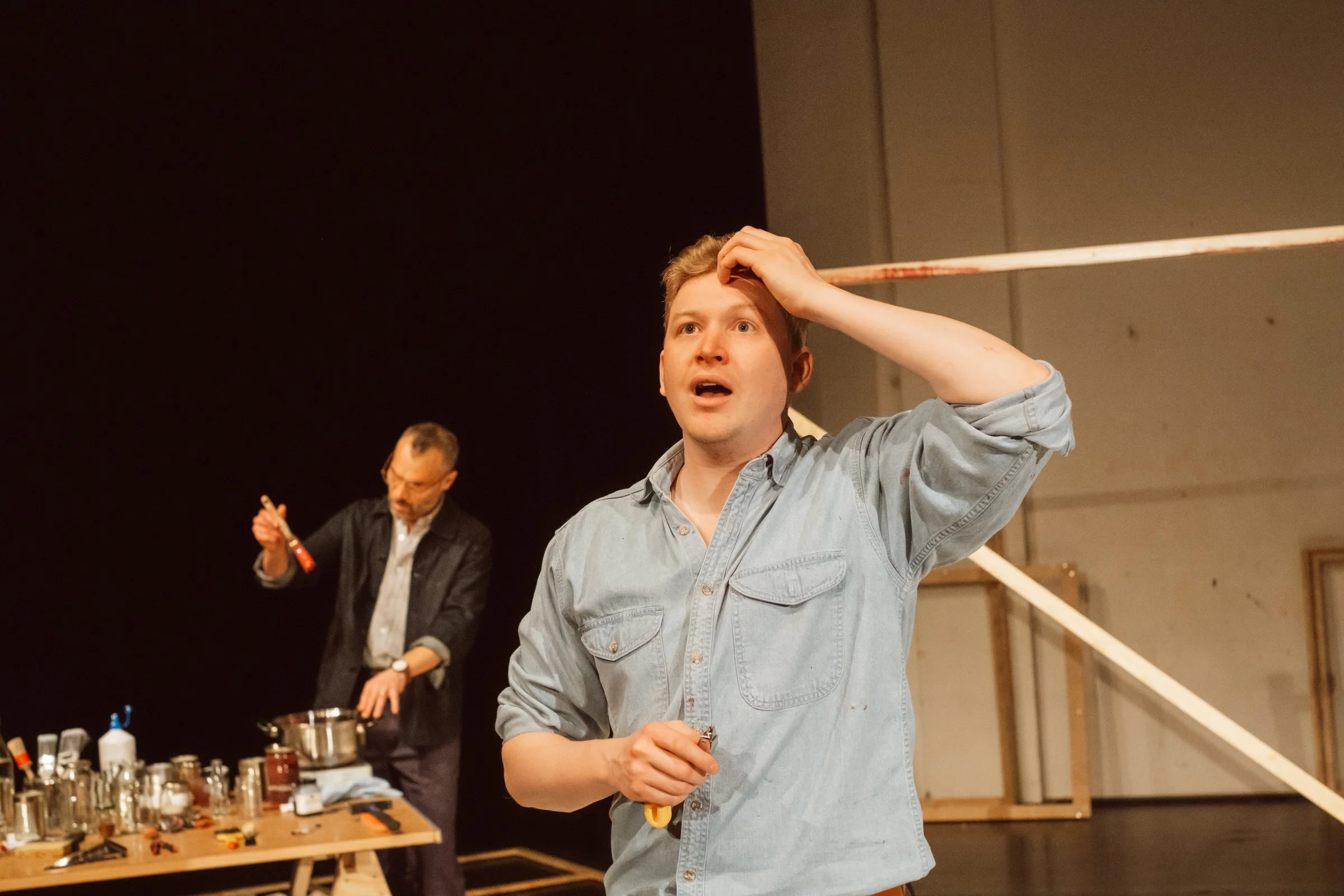
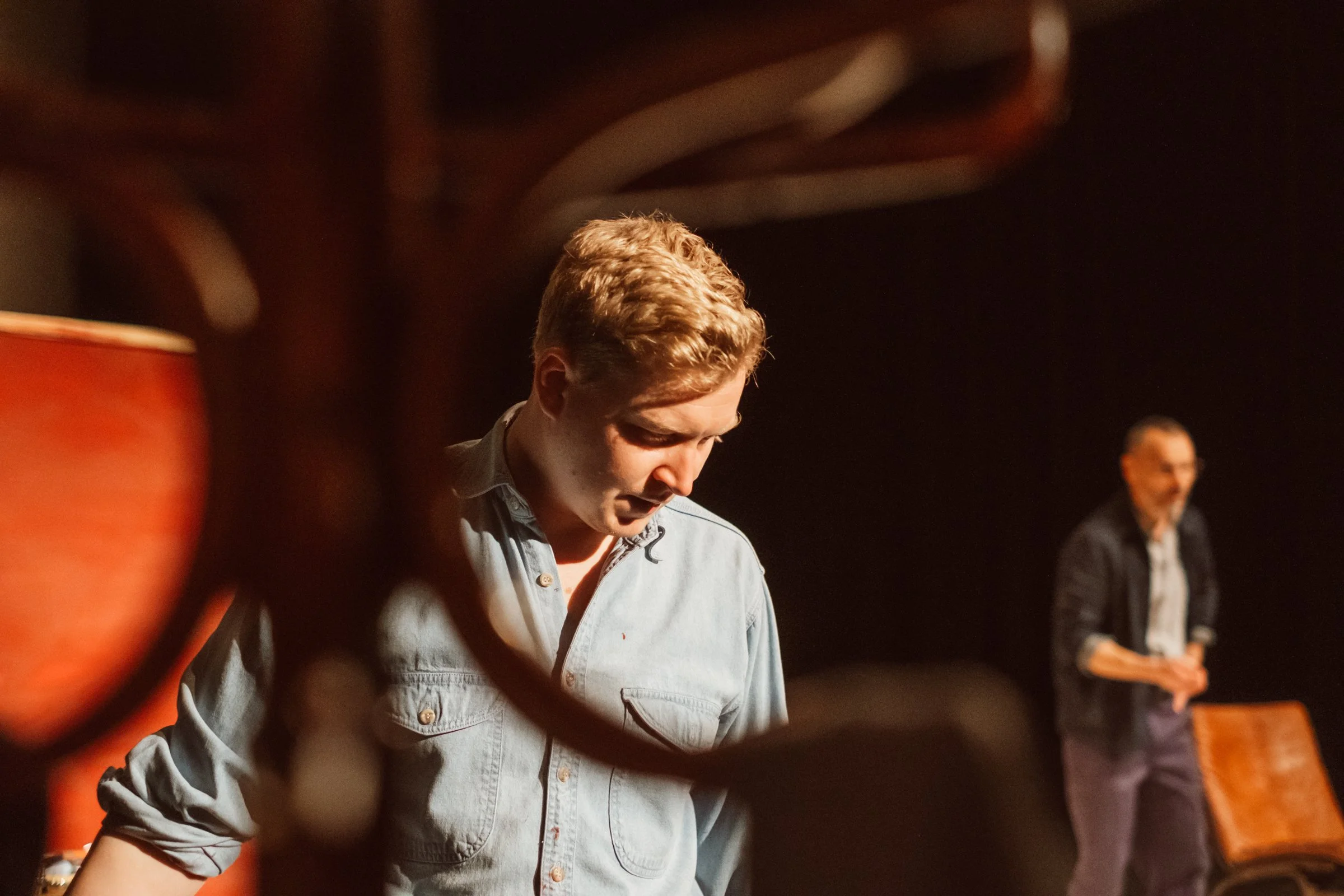
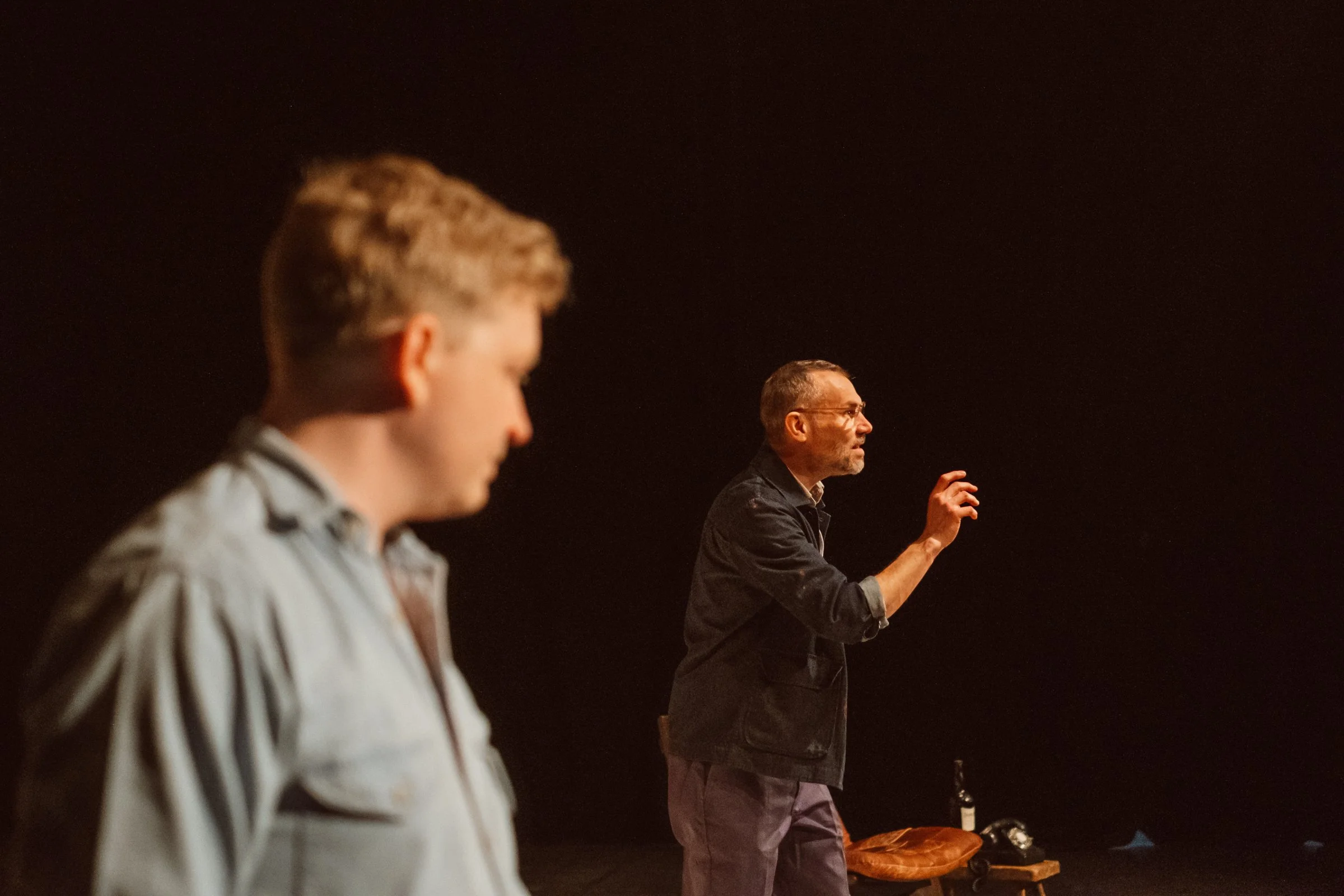
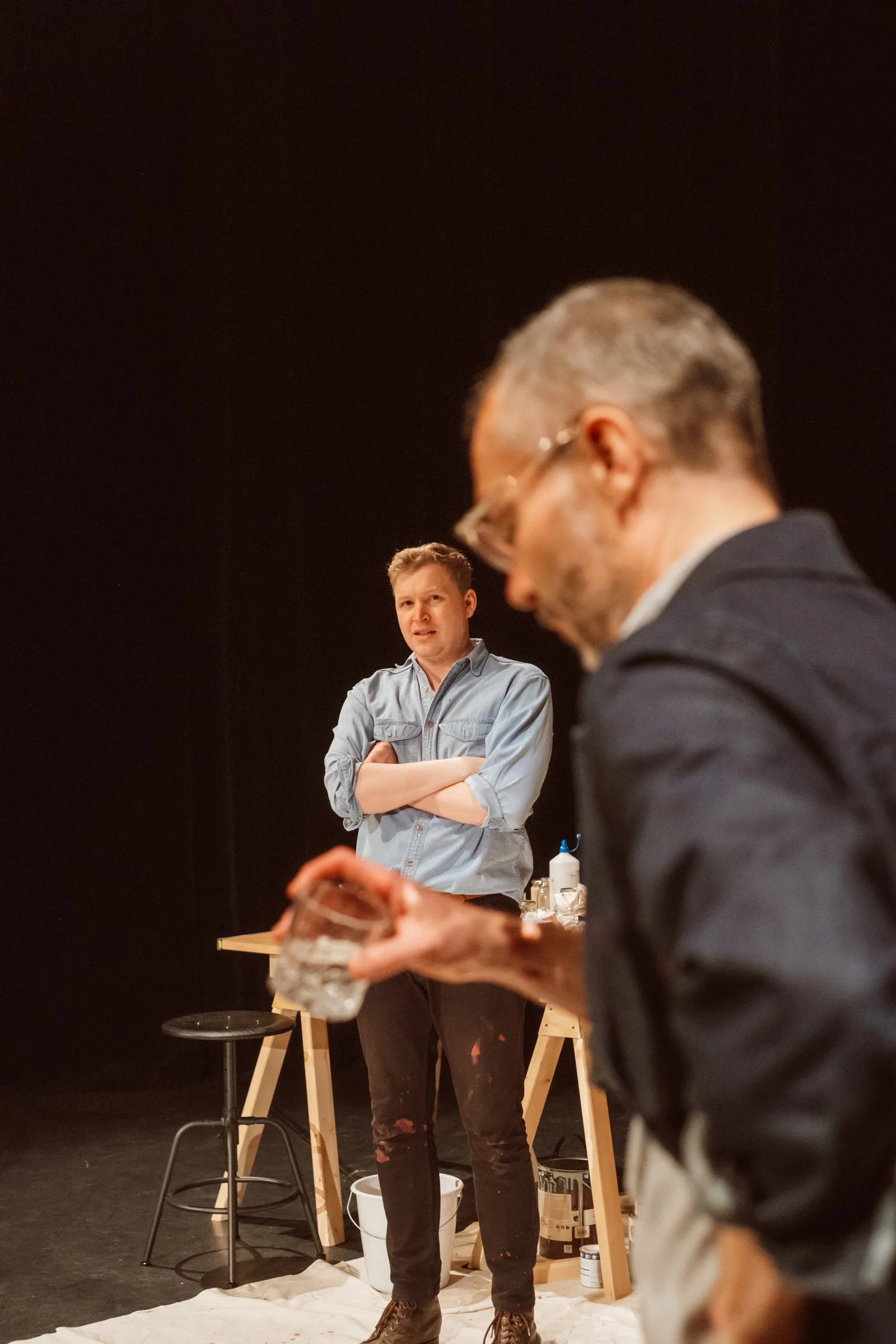
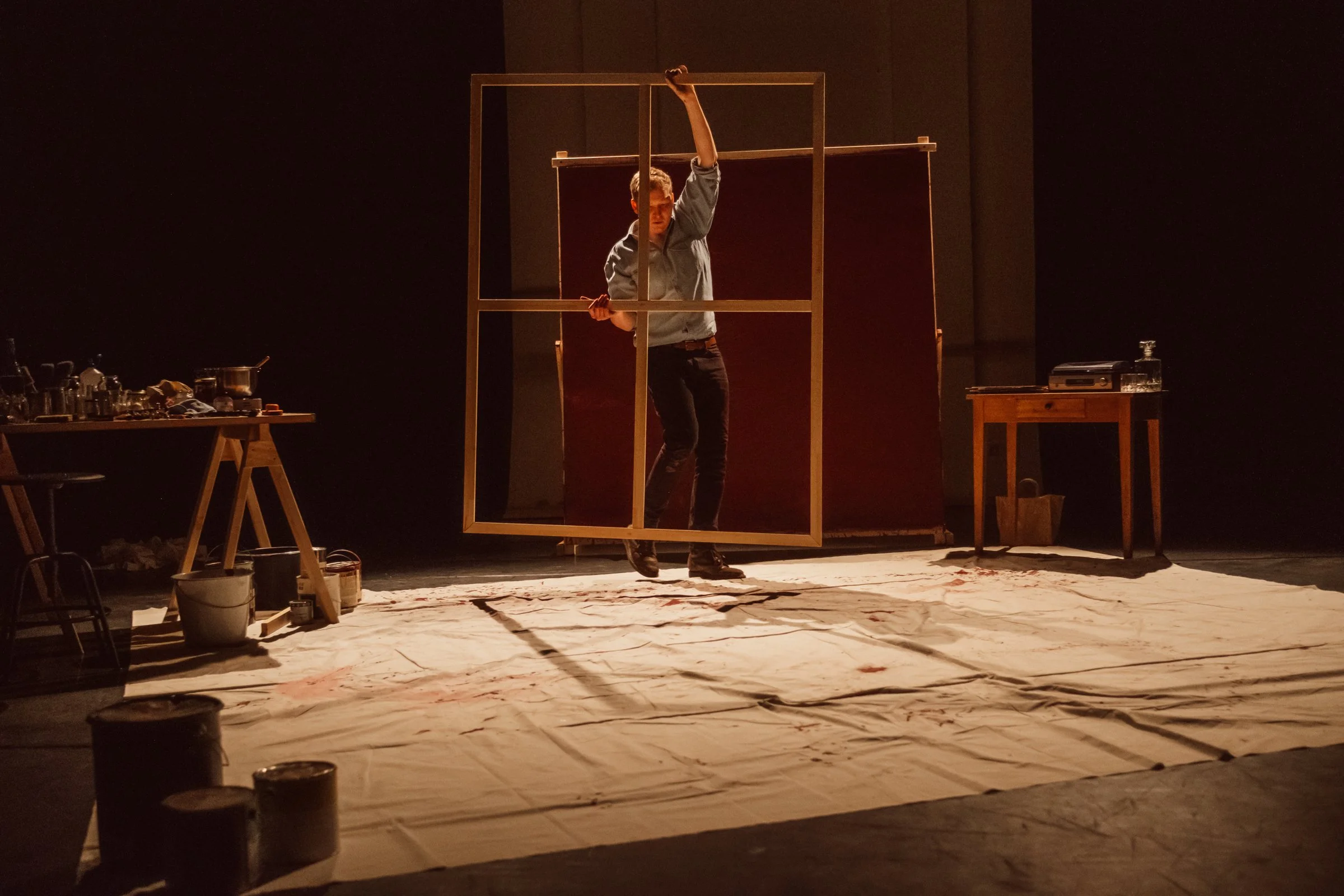
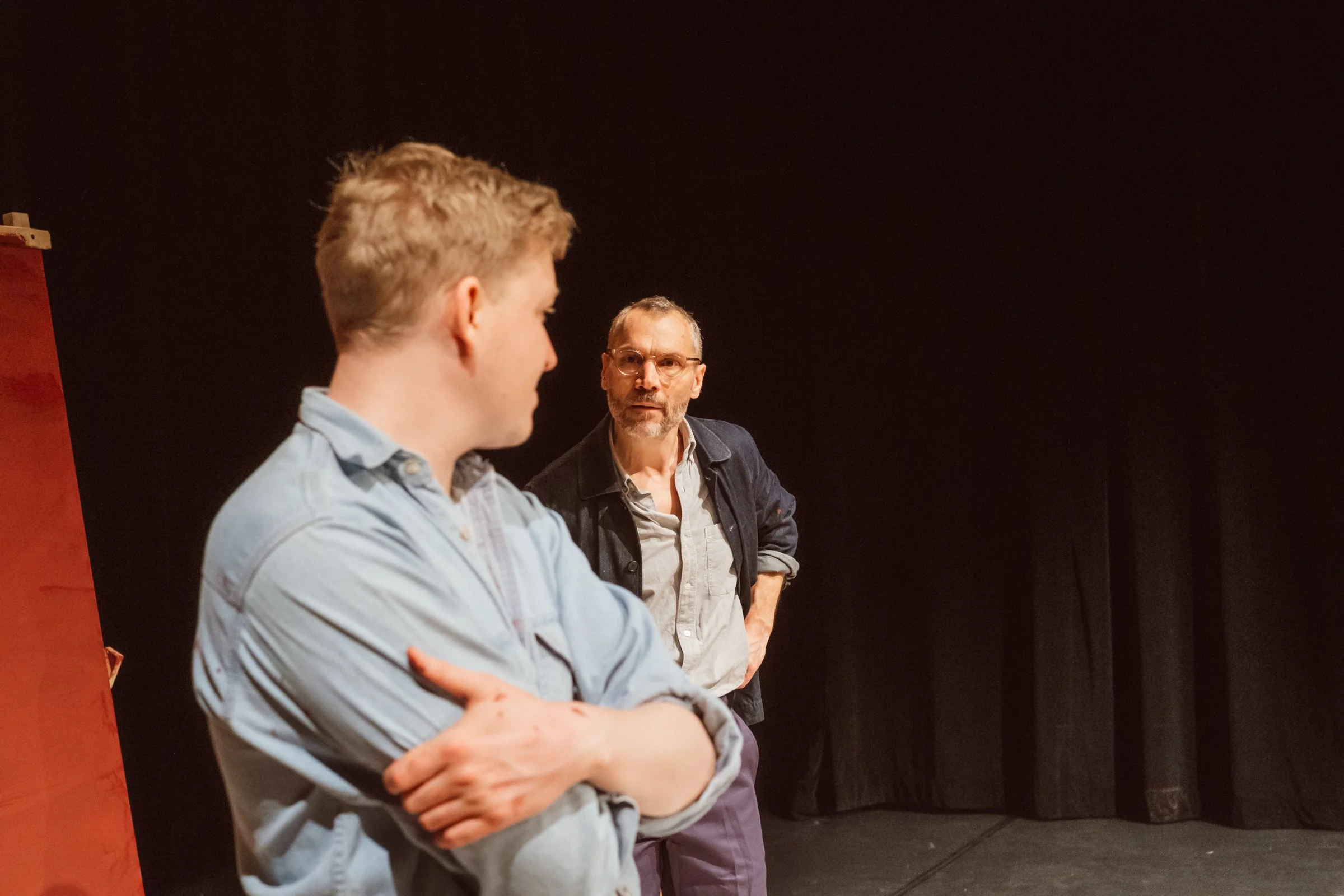
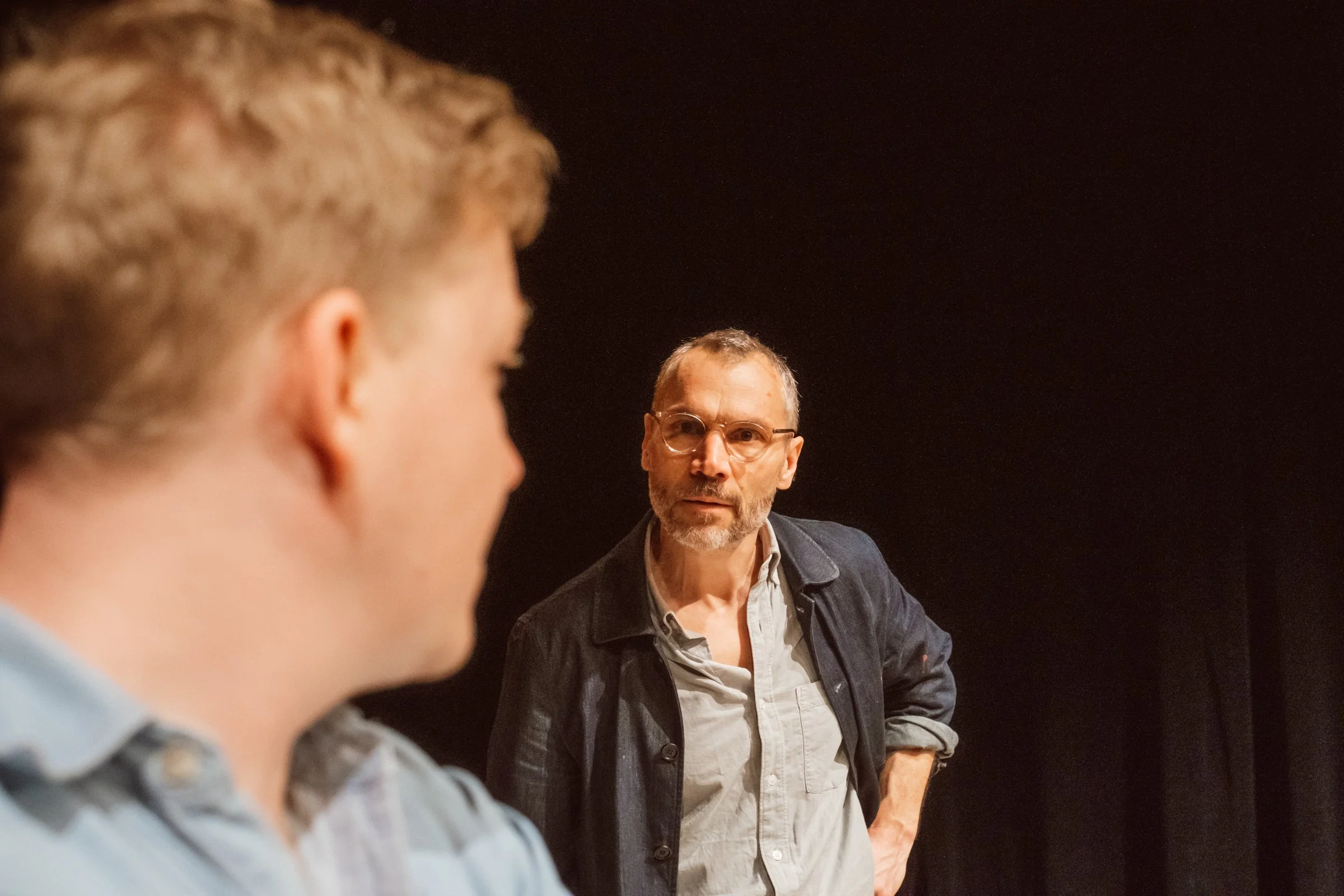
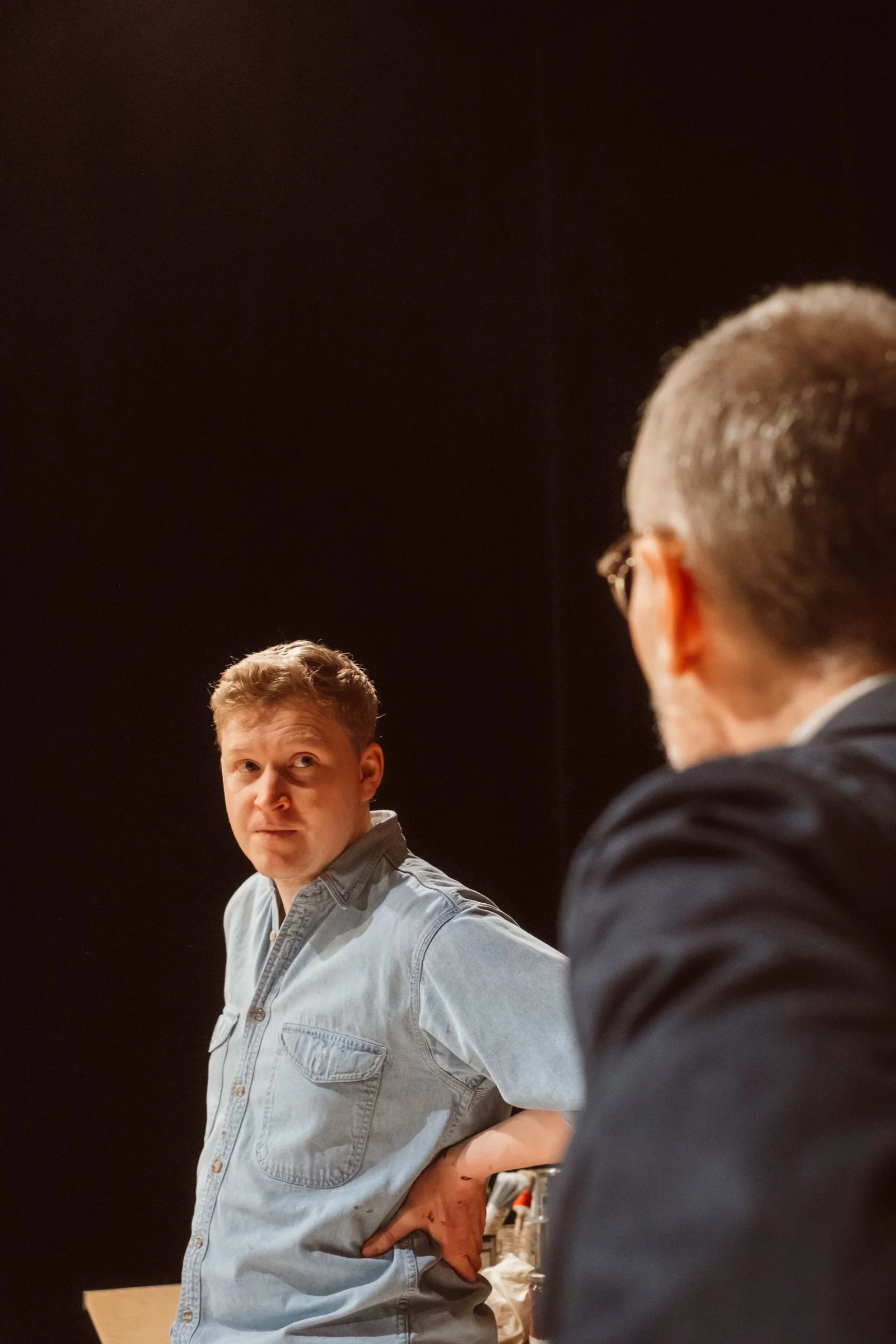
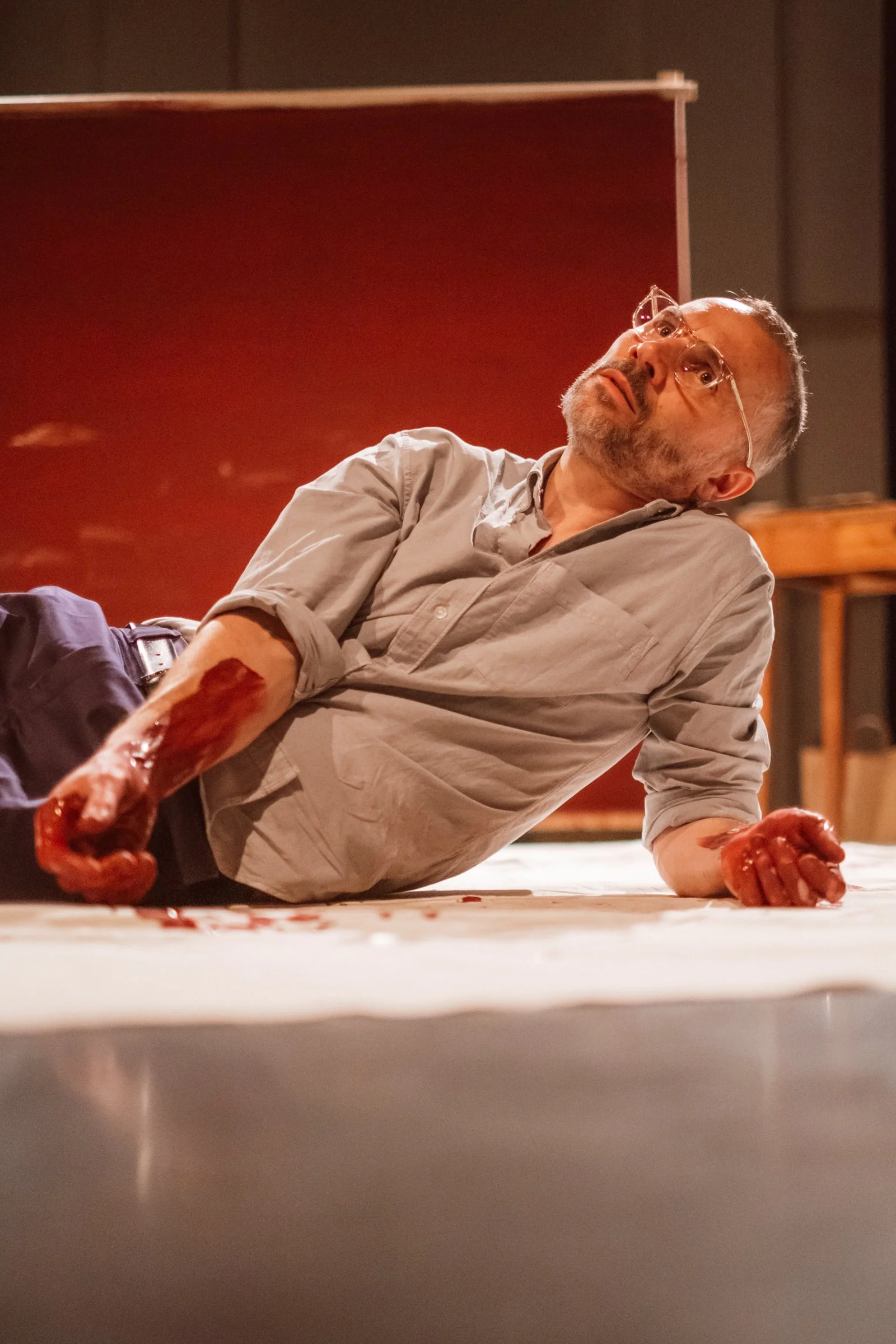
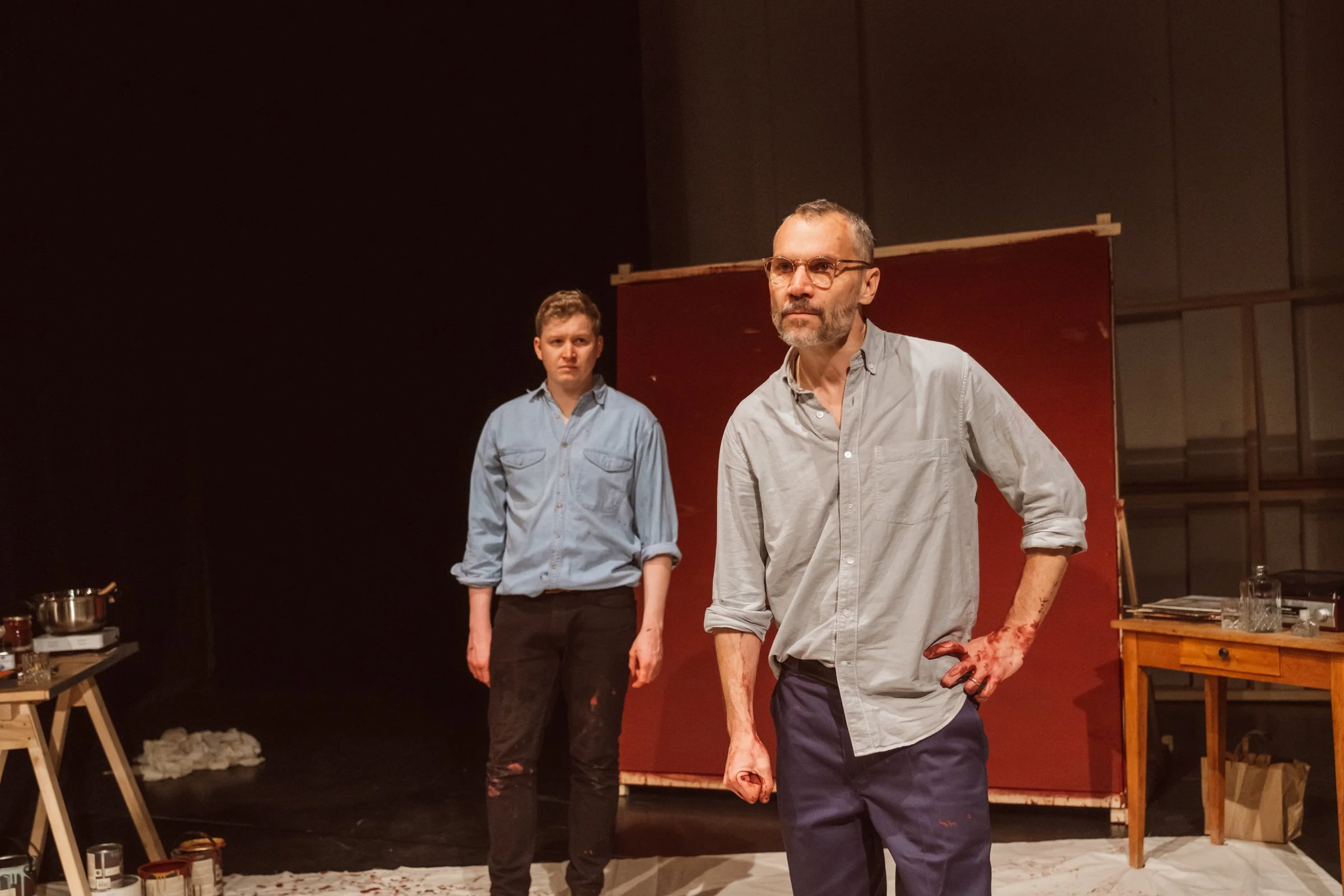
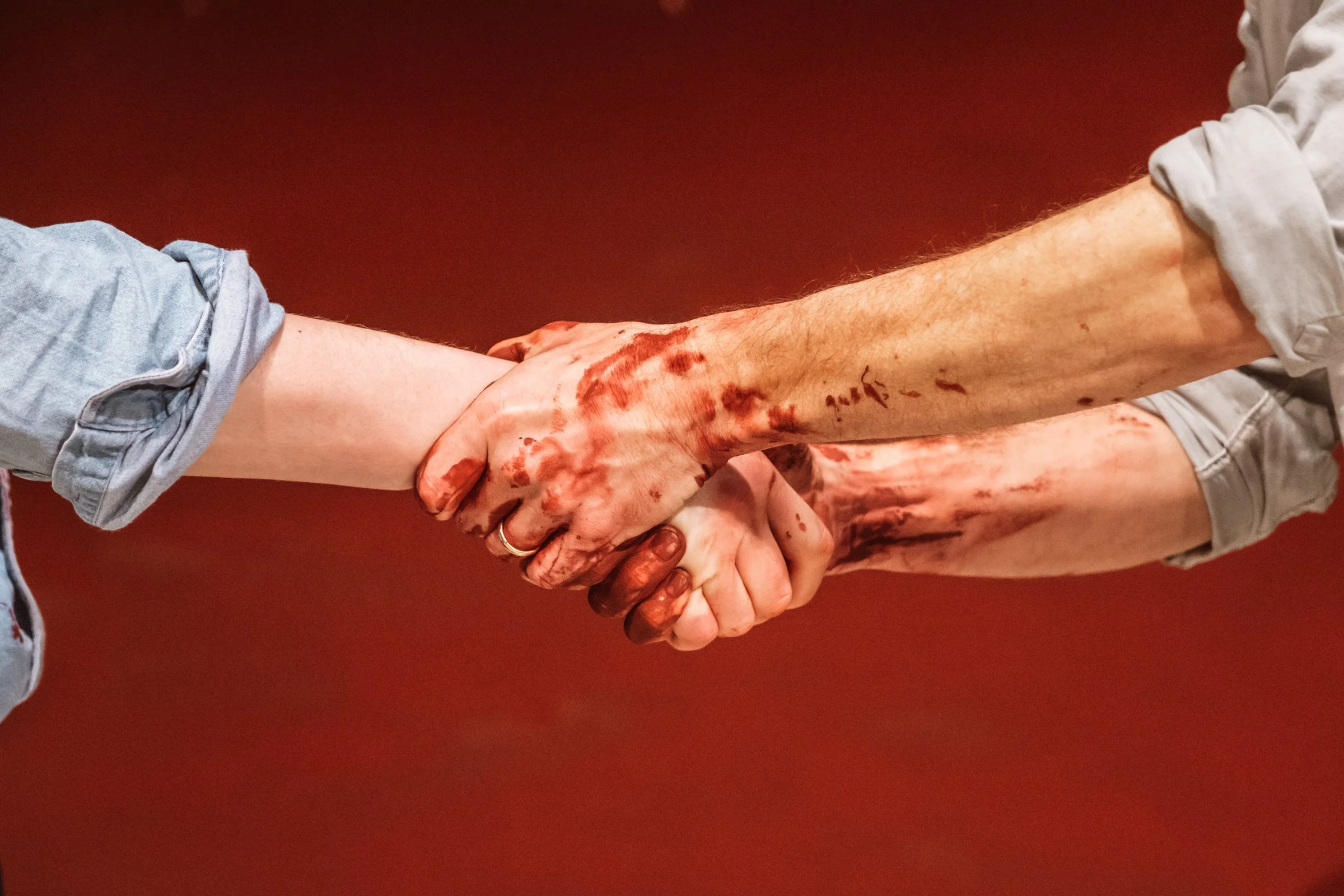
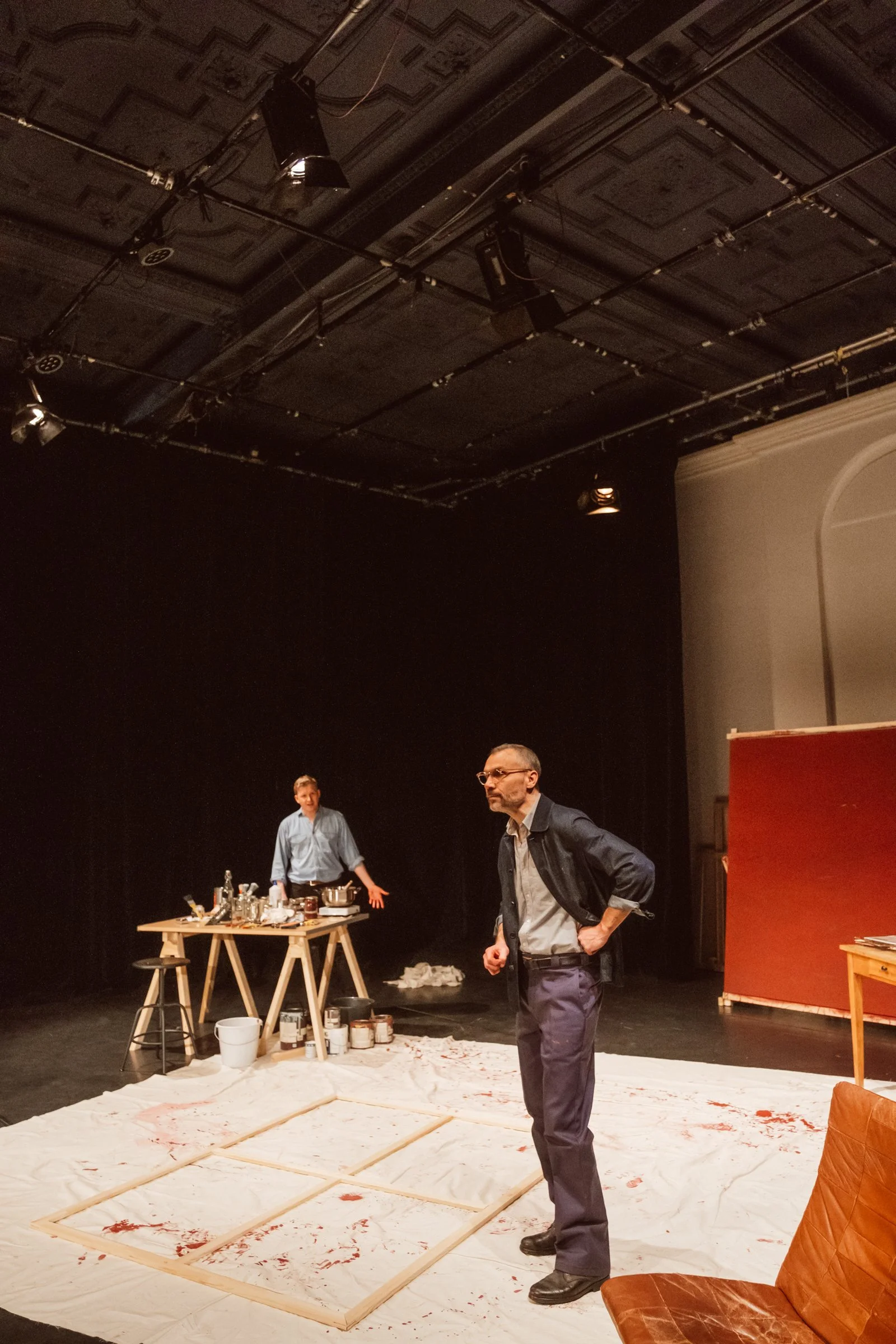
The eminent and idealistic artist Mark Rothko, clashes with his impressionable young assistant Ken in an unflinching look at two people’s very different perspectives on what makes life worth living and art worth making. As they grapple with their art and each other, we get a front row seat to a generational conflict for the ages. Whose opinion is valued? What can art accomplish and what value does it have in our lives? A play about the delicate balance between making art, making peace with yourself, and making your own way in the world.
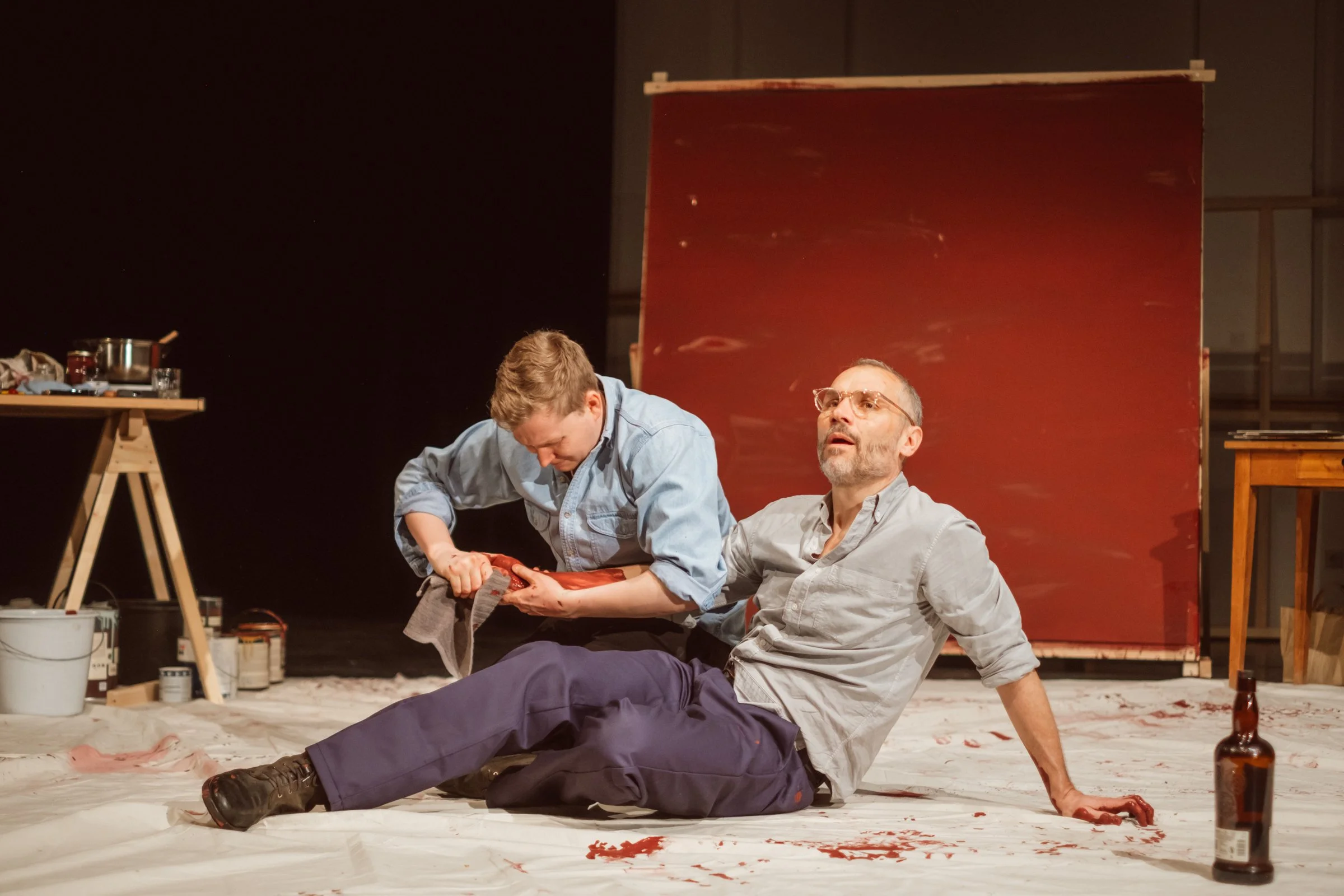
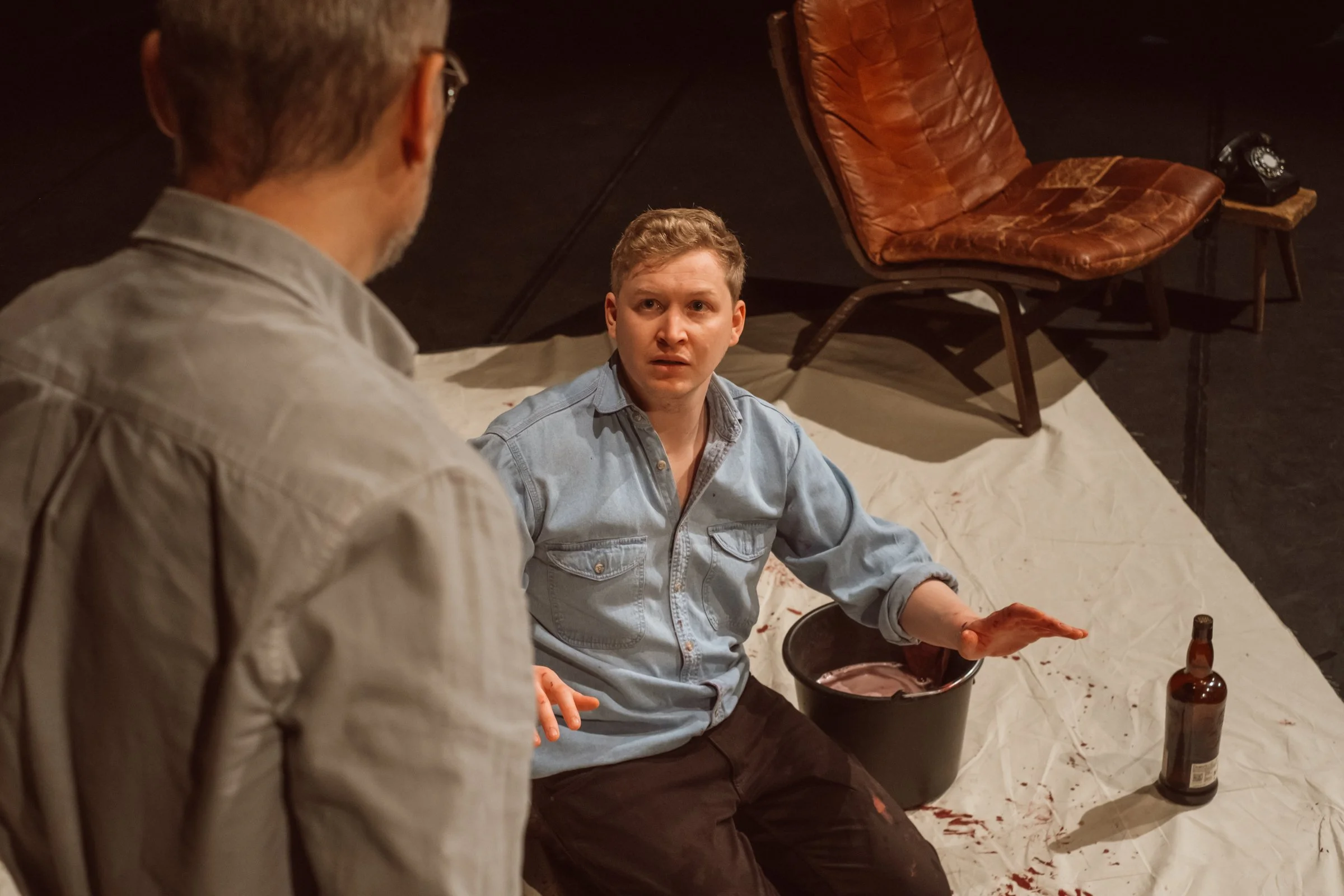
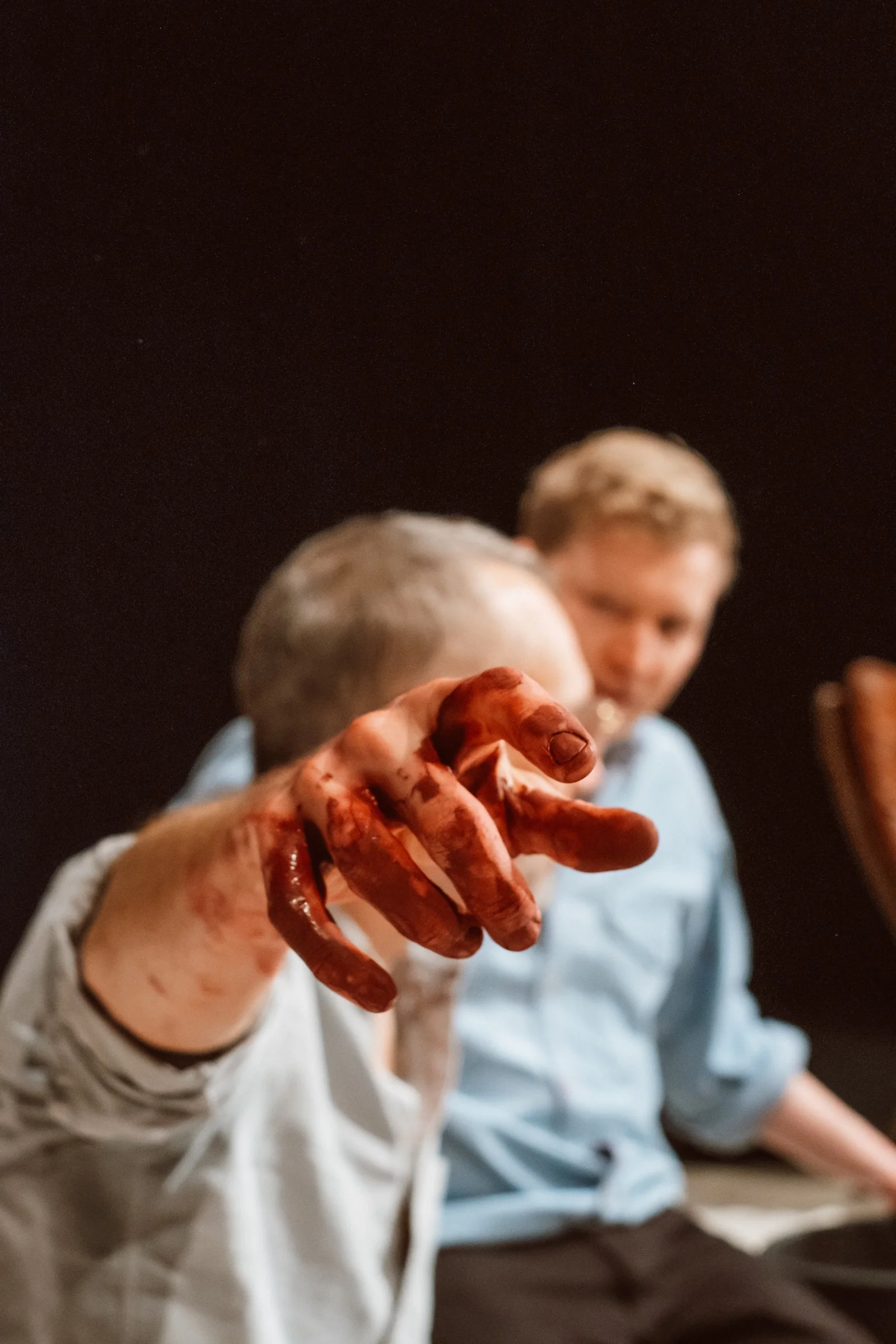
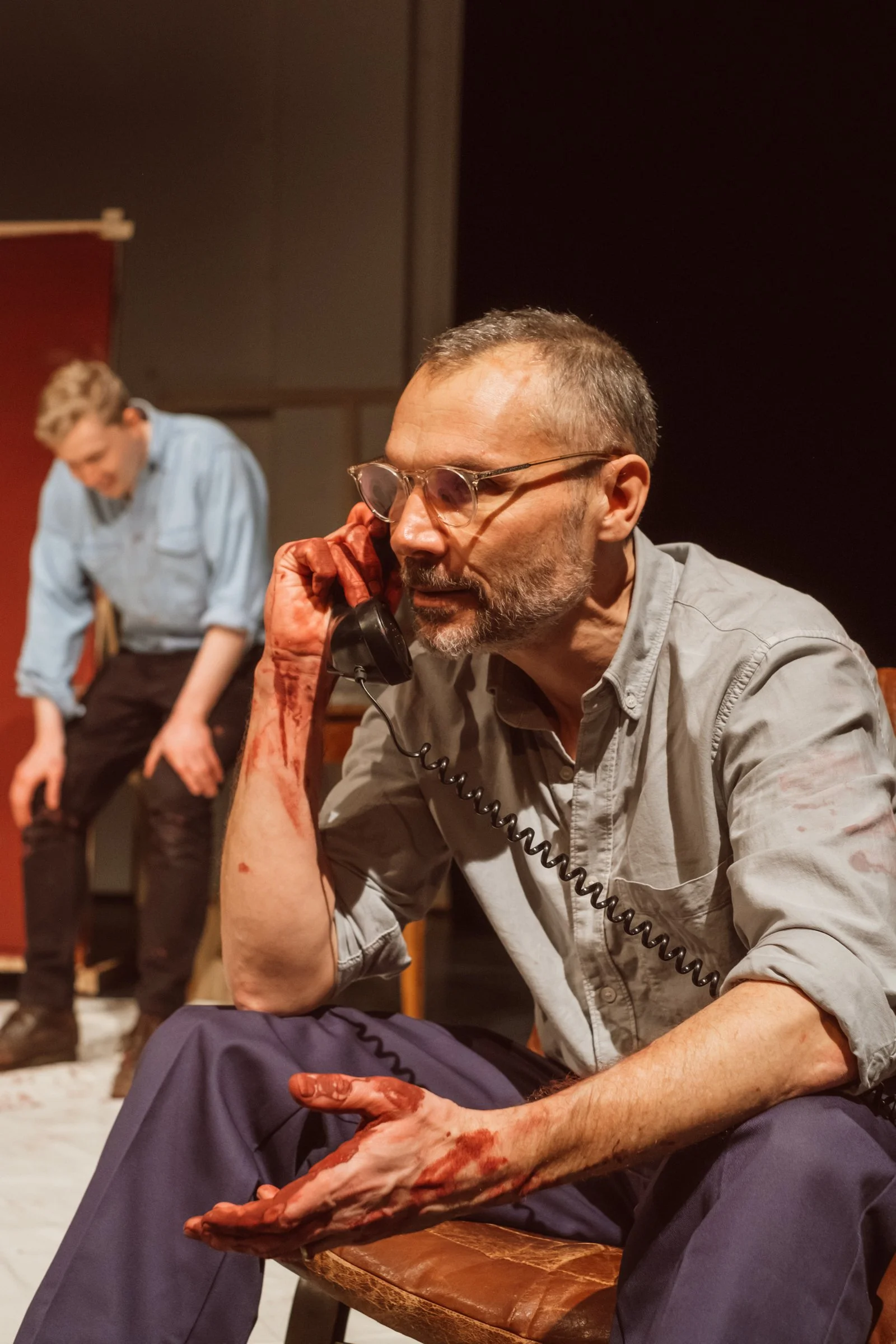
cast
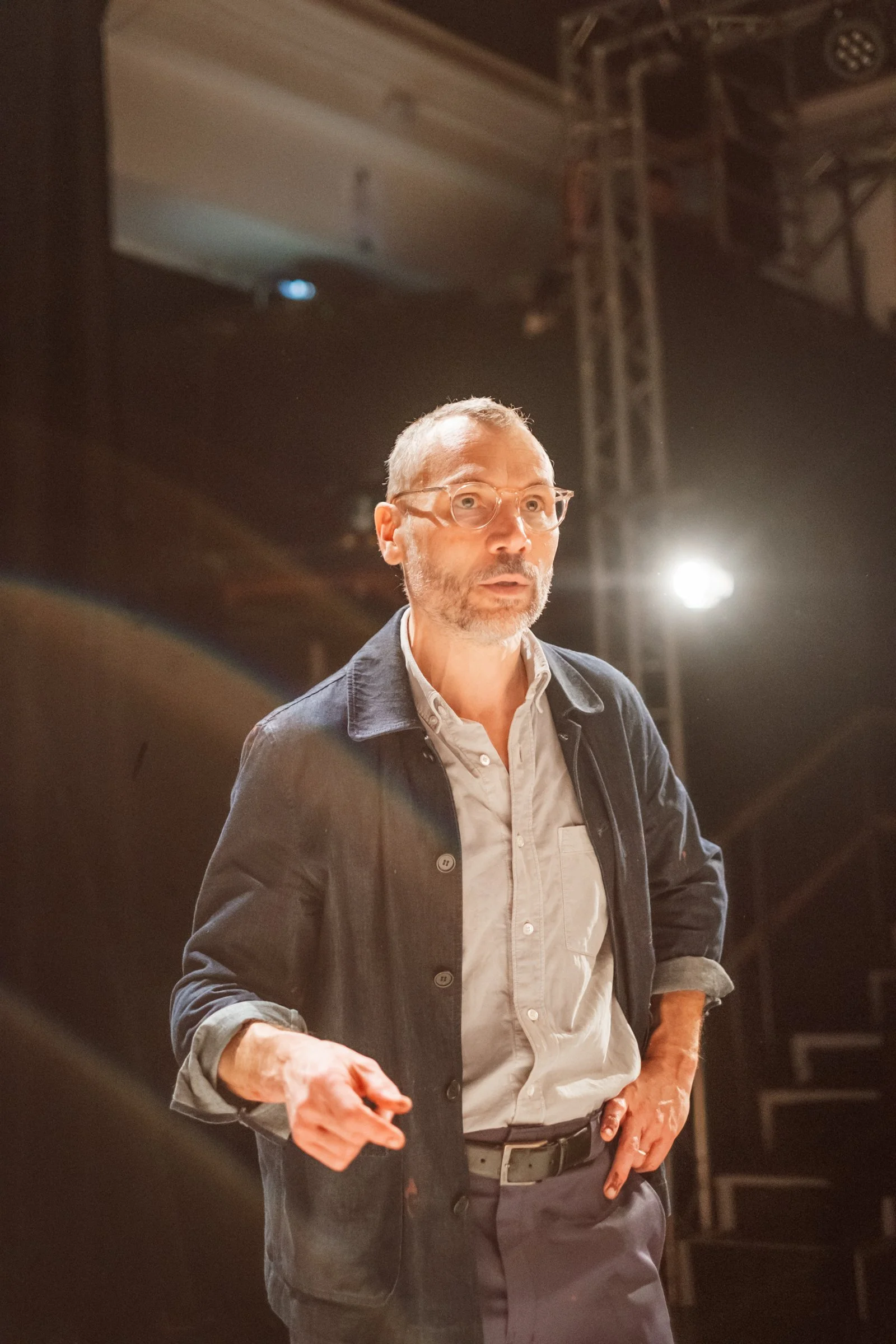
Adam Ludwig (Rothko) is an actor, teacher, and director based in Berlin. He has performed on Broadway, Off-Broadway, and at leading theaters throughout the U.S. Television appearances include Sex and the City, Fringe, and Quantico. He has directed numerous student productions in Berlin at The Acting Muscle, which he founded in 2017 as a training ground for ambitious actors of all levels. He taught previously at Marymount Manhattan College and in the B.A. Acting program at Macromedia University. Adam earned his MFA in Acting from the award-winning American Conservatory Theater and trained at the École Philippe Gaulier in London.
Joshua Spriggs (Ken) is a British actor and voice actor based in Berlin. His work spans theatre, television, and film, with stage credits including the Royal Shakespeare Company, Frantic Assembly, and Platypus Theatre. Television and film credits include Families Like Ours, Constellation, and upcoming feature The Blurry Pictures. As a Voice-Actor, his work ranges from animated characters to toys and commercial campaigns. Alongside his performing work, Joshua teaches at Catalyst Institute for Creative Arts and Technology, on the Acting B.A, supporting the next generation of actors.
Creative team
Brian Bell is a stage director and writer based in Germany. Originally from Texas, Brian’s work ranges from original scripts to musical theatre as well as the classical repertoire in both English and German. He has staged work at the German state theaters in Weimar, Meiningen, Chemnitz, Heilbronn, Ingolstadt, Schwedt, and Baden-Baden. Since 2016, he has also directed the series Shakespeariment in Berlin, producing twenty new Shakespeare productions to date. His work uses exuberant storytelling to question power structures and challenge masculinity.
Izzy Rousmaniere (Assistant Director) is a Minneapolis-born, Berlin-based director, actor, and educator. She has trained and performed on stages around the U.S., including with the Guthrie Theatre, Minnesota Opera, and Powerhouse Theater Training Company. In Berlin, Izzy has directed plays, musicals, and concerts, and is a co-founder of contemporary theatre ensemble Great Thing Going. She uses stories as a tool to explore individual and cultural experiences of generations, gender, and grief.
Mark Rothko & the Seagram Murals
Born Marcus Rothkowitz in 1903 in the town of Dvinsk, Latvia (then part of the Russian Empire), Mark Rothko immigrated to the United States with his family at age ten, settling in Portland, Oregon. A gifted student, Rothko attended Yale University on scholarship from 1921-23, but disillusioned by the social milieu and financial hardship, he dropped out and moved to New York to "bum around and starve a bit." A chance invitation from a friend brought him to a drawing class at the Art Students League where he discovered his love of art. He took two classes there but was otherwise self-taught.
Rothko painted in a figurative style for nearly twenty years, his portraits and depictions of urban life baring the soul of those living through The Great Depression in New York. The painter Milton Avery offered Rothko both artistic and nutritional nourishment during these lean years. In the 1930s, Rothko exhibited with The Ten, a close-knit group of nine American painters, which included fellow Avery acolyte Adolph Gottlieb. Success was moderate at best but the group provided important incubation for the Abstract Expressionist school to come. The war years brought with it an influx of European surrealists, influencing most of the New York painters, among them Rothko, to take on a neo-surrealist style. Rothko experimented with mythic and symbolic painting for five years before moving to pure abstraction in the mid 1940s and ultimately to his signature style of two or three rectangles floating in fields of saturated color in 1949. Beginning in the early 1950s Rothko was heralded, along with Jackson Pollock, Willem de Kooning, Franz Kline and others, as the standard bearers of the New American Painting—a truly American art that was not simply a derivative of European styles.
Rothko sought to create art that was timeless; paintings that expressed basic human concerns and emotions that remain constant not merely across decades but across generations and epochs. He looked to communicate with his viewer at the most elemental level and through his artwork, have a conversation that was intense, personal and, above all, honest. A viewer’s tears in front of one of his paintings told him he had succeeded.
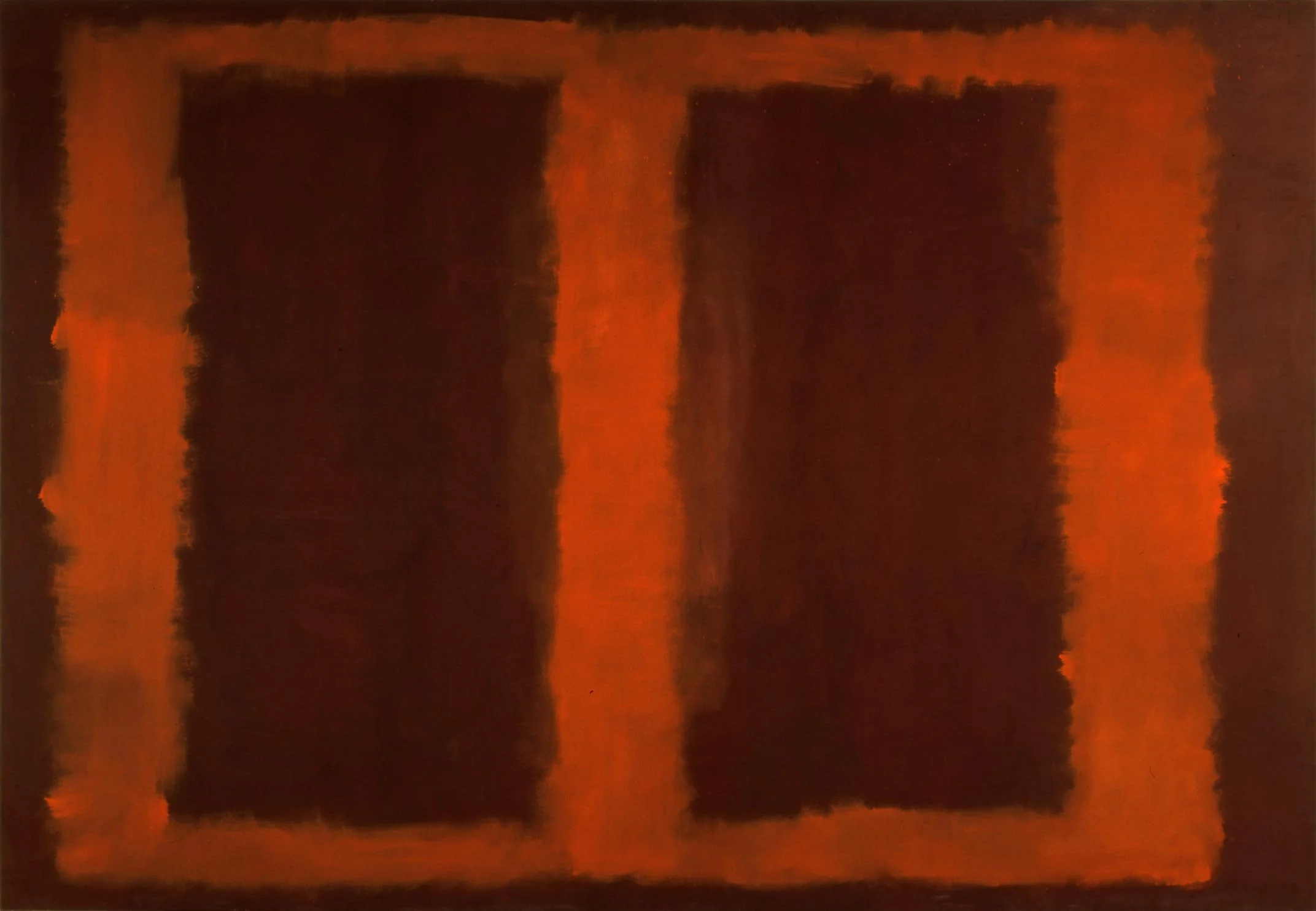
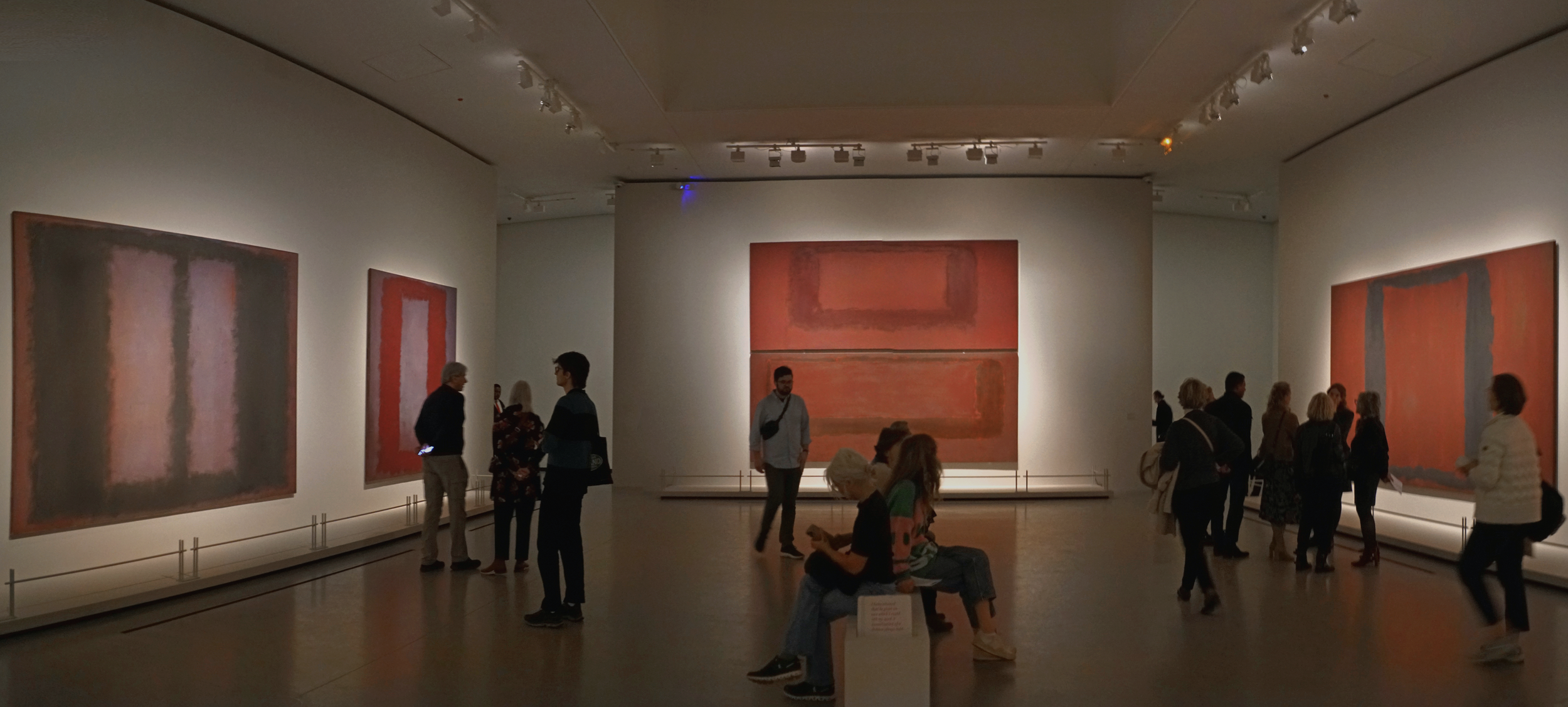
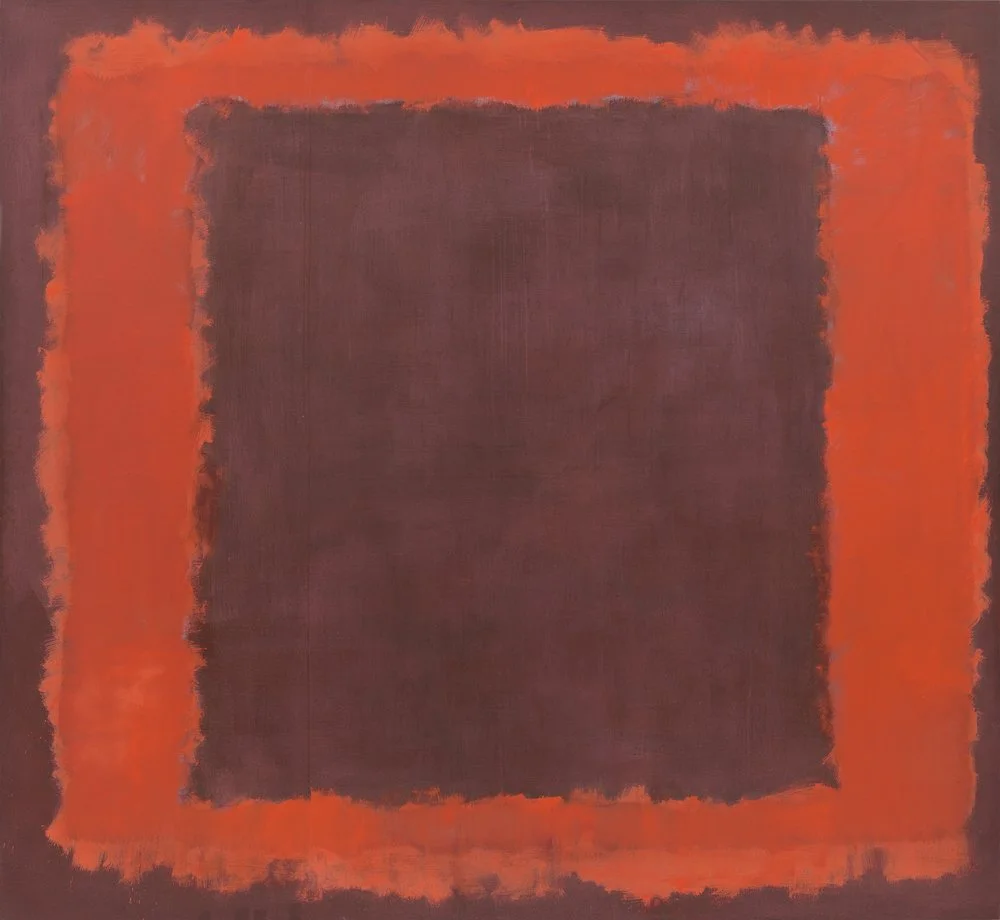
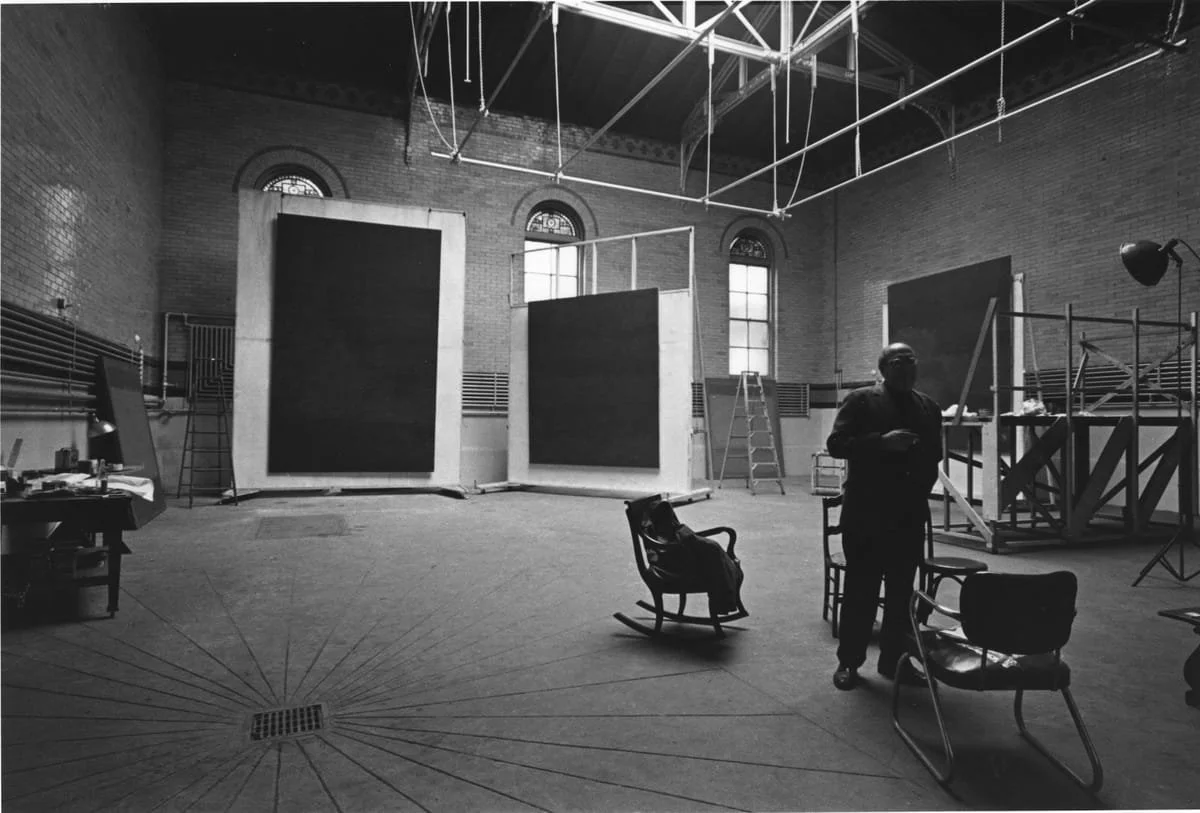
By the late 1950s, Rothko was a celebrated (if not wealthy) artist, winning him three mural commissions that would dominate the latter part of his career. Only in the last of these, The Rothko Chapel in Houston, was he able to realize his dream of a truly contemplative environment in which to interact deeply with his artwork. RED presents a fictionalized account of Rothko’s first attempt to create such a space in New York’s Four Seasons restaurant. This was a lucrative commission to paint a series of murals to be displayed in a Park Avenue skyscraper designed by architect Ludwig Mies Van der Rohe for the Seagram Company. The character of Ken is fictional, though his existence may be loosely inspired by painter Dan Rice, who assisted Rothko during the 1958-1960 period depicted in Logan’s play. [a]
While creating a deeply expressive body of work and garnering critical acclaim, Rothko battled depression and his brilliant career ended in suicide in 1970. Today, several of Rothko’s Seagram murals can be viewed at the Tate Gallery in London and at the National Gallery of Art in Washington, D.C. Another of Rothko’s red color fields is housed in Berlin at the Neue Nationalgalerie. [Biographical text adapted from Concord Theatricals]
For those interested in learning more about Rothko’s life and philosophy of art, we recommend Mark Rothko: A Biography by James E. B. Breslin.
John Logan
John Logan received the Tony, Drama Desk, Outer Critics Circle and Drama League awards for his play Red. Other plays include Peter and Alice, I'll Eat You Last: A Chat With Sue Mengers and Never the Sinner. As a screenwriter, Logan has been three-times nominated for the Oscar, and has received Golden Globe, BAFTA, WGA, Edgar and PEN Center awards. His films include Skyfall, Spectre, Hugo, The Aviator, Gladiator, Rango, Genius, Sweeney Todd: The Demon Barber of Fleet Street, The Last Samurai and Any Given Sunday. He also created "Penny Dreadful" for Showtime.
Special Thanks
Tony Just, Oliver Sachgau, Alana Range, Nevin-Dane Hudson-Wolf, Vladimir Gorovoy, Emiliano Bonetta, Daniela Khrabrovitskaia, Phil Borowiec
“RED” premiered at the Donmar Warehouse Theatre, London (3 December 2009). Michael Grandage, Artistic Director
Original Broadway Production Produced by Arielle Tepper Madover, Stephanie P. McClelland, Matthew Byam Shaw, Neal Street Productions, Fox Theatricals, Ruth Hendel/Barbara Whitman, Philip Hagemann/Murray Rosenthal and The Donmar Warehouse.
Production photos by Alana Range.